


Mothers, wives, daughters, sisters speak out on how Duterte’s campaign destroyed their families — and how some are fighting back by helping others tell their stories.
by the Philippine Human Rights Information Center
In 2017, Gloria of Caloocan City lost her two sons in a span of six months, murdered in cold blood by suspected members of a local anti-drug task force.
After each gruesome killing, Gloria said the local police grilled her on whether she planned to file a legal complaint. They made strange, intimidating requests—one encouraged her to point the finger at a notorious local drug dealer, another inexplicably asked her to show them her son’s death certificate.
Gloria wanted to fight back, but she didn’t sue. Instead, she has spent the last three years going to morgues, funerals and the homes of women of her community, those who just went through what she endured—who lost a son, a father, a brother in the Duterte administration’s so-called war on drugs.
“I would go to a funeral service to look for the wife or the mother,” she said. “And I’d hug them and tell them: ‘My sympathies, sister. We both suffered the same fate. Two of my sons were also murdered by the police. But some people have been helping me.”
This shared pain is what other women—mothers, wives, sisters and daughters—have to contend with following the loss of a loved one to the Duterte slaughter.
These are the stories they tell, stories of pain and violence, but also of transformation. These 10 women felt helpless, and were beleaguered mothers, wives, sisters, and daughters who bore the brunt of Duterte’s violent campaign. But they have become quiet, determined advocates for other families who lost loved ones to the cruel war.
The Philippine Human Rights Information Center (PhilRights) has been documenting the cases of extrajudicial killings over the past five years. In the past year, as the pandemic was raging, the PhilRights team focused more closely on the experiences of 10 women who are playing an important role in recording other stories that are routinely ignored and buried, even in the intense media coverage of the Duterte slaughter.
PhilRights is marking this year’s International Human Rights Day by launching this series. Over the next few months, we will be publishing the profiles of 10 women who shared their stories, and who are helping others tell their stories.
These profiles do not paint a complete picture of how the Duterte campaign devastated communities, particularly working class and impoverished neighborhoods. Recording them has not been easy.
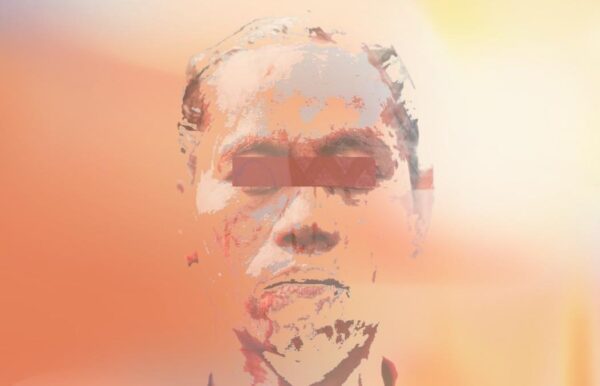
These women have made themselves vulnerable for speaking out, and for reaching out to other families in their communities who suffered death and violence under Duterte. That is why their identities and key details about their lives are not revealed in this report.
The PhilRights team drew important lessons and insights from these interviews and our work with many other survivors of the Duterte campaign. The Killing State series of reports on our documentation findings and the Philippine human rights situations have been informed by these lessons and insights. We highlight other key insights in this report based on the stories of these 10 women:
- The Duterte campaign expanded opportunities for abuse. It enabled entities and individuals who wielded power in urban poor communities—barangay officials, police, and even owners and managers of funeral parlors—to make money and consolidate their power from the hunt for suspected drug dealers and drug users.
- The Duterte campaign destroyed families struggling with poverty. It took aim at individuals who may have struggled with drug addiction, but who were in the process of rebuilding their lives. In many cases, the arrest or execution of these individuals devastated their families.
- The Duterte campaign corrupted even more a defective and weak justice system. Local officials and public servants, including barangay leaders, police and coroners wilfully included lies and distortions in official reports and death certificates to deny an accurate record of the violent campaign.
In recording their stories and sharing the gist of what they went through, our hope is that these narratives will be part of a more in-depth and comprehensive examination of the mass killings under Duterte.
For now, the task of recording the experiences of the victims of the Duterte campaign has become critically important at a time when human rights are once again under siege. And we need to find ways to make sure there’s a record of the killings and the torture, of the stories of Filipinos reeling from the violence—but who are also fighting back.
Here are their stories
 .
. 

Click the thumbnail to read the posts.